Rekeying After a Miami Beach Break-In: What to Do First
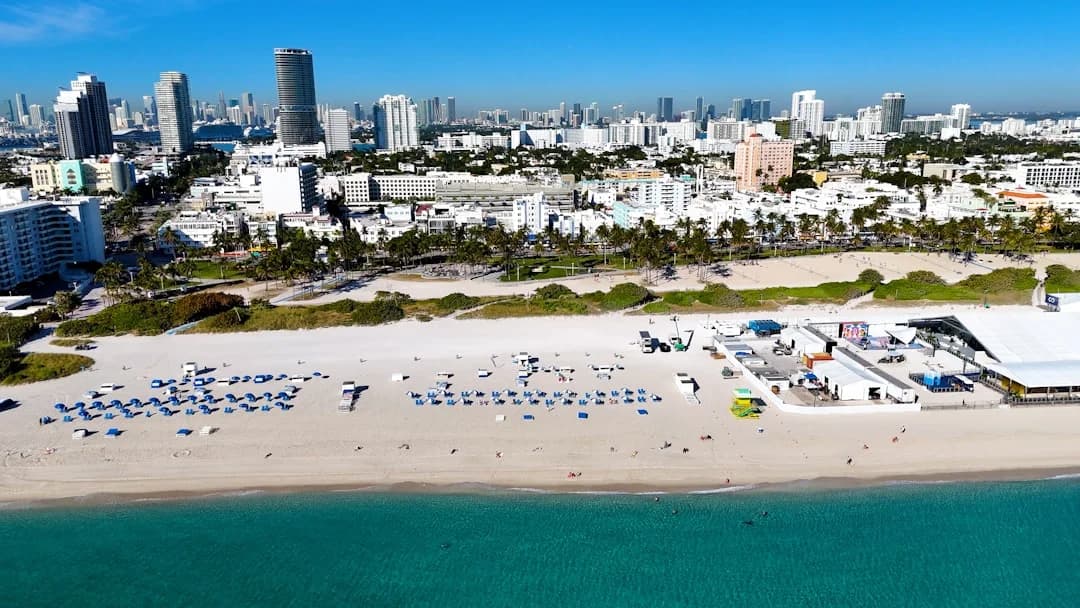
Break-in at your Miami Beach home or business? Here's exactly what to do first — emergency rekeying, lock assessment, and how to secure your property before the next night.
Rekeying After a Miami Beach Break-In: What to Do First
A break-in is disorienting. Your first instinct is to call the police, then maybe your insurance company, and then stand in your living room trying to figure out what just happened. What most Miami Beach homeowners and business owners do not do in those first hours is address the most immediate physical vulnerability: the locks.
If someone broke into your property, you need to assume your keys are compromised. And in Miami-Dade, where coordinated burglary crews have been active across neighborhoods from North Miami Beach to Pinecrest, a single break-in is sometimes the precursor to a second entry, not just an isolated incident.
This guide walks you through exactly what to do, in order, after a break-in at a Miami Beach property.
Step 1: Call the Police and Preserve the Scene
Before anything else, call Miami Beach Police and file a report. Do not clean up, move items, or touch the point of entry more than necessary. The police report is required for your insurance claim, and the documentation of how entry was made will inform what lock and door repairs you need.
Note whether the intruder entered through a door or window, and whether the lock was picked, the door was kicked in, or a key was used. The method of entry matters for what comes next.
Step 2: Call an Emergency Locksmith
This is the call most people delay until the next morning. Do not wait.
If entry was made through a door, that lock is now compromised in one or more ways:
- The cylinder may have been picked, bumped, or drilled
- The door frame and strike plate may be damaged from forced entry
- If a key was used, that key or a copy of it still exists somewhere
York Lock & Key provides emergency locksmith response to Miami Beach residential and commercial properties. Response time from our Miami Beach base is typically 20 to 30 minutes. An emergency call at 11 PM is not an inconvenience; it is exactly what emergency service is for.
What to tell the locksmith when you call:
- Whether the door or frame was visibly damaged
- How many exterior entry points your property has
- Whether you want just the compromised entry rekeyed or a full-property rekey
In almost every case, a full-property rekey is the right answer.
Step 3: Rekey Every Exterior Entry Point
Rekeying changes the internal pin configuration of a lock cylinder so that the old key no longer works. It is faster and less expensive than replacing the entire lockset, and in most cases it is all that is needed when the hardware itself is undamaged.
After a break-in, rekey every exterior entry point without exception:
- Front door
- Back door
- Side entries and laundry room doors
- Garage interior door
- Any door to a detached structure, pool house, or guest cottage
The reason to rekey all of them, not just the door that was breached, is simple: you do not know whether the intruder took a key from inside the property. If a key ring was on your kitchen counter or inside a bag that was touched, any lock on your property is now potentially compromised.
Cost context: A full rekey for a Miami Beach single-family home with four to six entry points typically runs $150 to $300. That cost is minor relative to the exposure of leaving old keys active.
Step 4: Assess the Entry Point for Frame and Hardware Damage
Rekeying addresses the cylinder. It does not address the door frame.
The most common forced-entry method in residential break-ins is not picking the lock. It is kicking the door. A hard kick to the door near the knob transfers force to the strike plate and door frame. Many residential doors in Miami Beach, including older Art Deco-era buildings and 1970s and 1980s wood-frame homes, have strike plates fastened with short screws that pull out of the frame under minimal force.
A locksmith should inspect the entry point for:
Strike Plate Condition: If the door was kicked in, the strike plate and the wood behind it are likely cracked or splintered even if the door appears to close normally. A reinforced strike plate, fastened with 3-inch screws that reach the door's structural framing, replaces the standard shallow-mounted hardware on most residential doors.
Door Frame Integrity: If the frame itself is cracked or the door no longer sits flush, the frame needs repair before any lock work will be meaningful. A door that closes but does not fit squarely in its frame can often be pushed open without engaging the bolt properly.
Deadbolt Grade: This is a good moment to assess whether the existing deadbolt is Grade 1 (ANSI/BHMA rating, the highest residential standard) or Grade 2 to 3, which is the builder-grade hardware on most Miami Beach homes and condos. If the lock itself was damaged or is low-grade, replacement with a Grade 1 deadbolt is worth doing at the same service call.
Step 5: Consider a High-Security Cylinder Upgrade
If you are rekeying after a break-in, you are already paying for a locksmith visit. This is the right time to evaluate whether your cylinders are worth keeping.
Standard residential cylinders are vulnerable to picking and bumping. High-security cylinders from manufacturers like Medeco, Mul-T-Lock, or Schlage Primus add:
- Pick and bump resistance through patented pin configurations
- Restricted keyways that prevent unauthorized key duplication at hardware stores
- A documented chain of custody for all keys cut to that cylinder
For Miami Beach properties, restricted keyways are particularly relevant. If a key was taken during the break-in, a standard keyway can be duplicated at any hardware store or key kiosk in minutes. A restricted keyway requires written authorization from the key holder of record and can only be cut by an authorized dealer.
Upgrading to a high-security cylinder at the time of rekeying adds $50 to $100 per door over the cost of a standard rekey, and the cylinder will stay in place through multiple future rekeys.
Step 6: Document Everything for Insurance
Your homeowner's or renter's insurance policy likely covers the locksmith bill as part of the break-in claim, subject to your deductible. To support the claim:
- Get an itemized invoice from your locksmith showing each service performed and each lock addressed
- Photograph the damaged entry point before and after repair
- Keep the police report number on file with the invoice
Some Miami Beach property managers and condo associations also require that a break-in be reported to building management, particularly if the entry point is a shared exterior door or a parking-level access point. Check your lease or HOA rules and notify the appropriate party.
Step 7: Review the Rest of Your Security
A break-in is the most direct signal that your current security setup has a gap somewhere. Once the immediate rekeying and hardware work is done, take a broader look:
Key Control: How many people have keys to your property and where are those keys right now? Previous tenants, contractors, cleaning services, or family members who were given copies may have keys you have not accounted for. If you cannot confidently say who has access, treat all existing keys as compromised and rekey regardless of whether there was a break-in.
Window Hardware: Entry through windows is common in Miami Beach properties, particularly in older buildings with jalousie windows or single-pane sliders. Window pin locks and secondary latch hardware are inexpensive additions that meaningfully increase resistance to window entry.
Sliding Glass Doors: Sliding doors are a standard vulnerability in Miami Beach condos and ground-floor units. A cut-down wooden dowel or a commercial-grade sliding door bar in the track, combined with a pin lock through the door frame, prevents the door from being lifted off its track or forced open.
Lighting and Visibility: Motion-sensor lighting on entry points is a deterrent that costs almost nothing to add and eliminates the low-visibility conditions that make forced entry easier to attempt without detection.
For Miami Beach Business Owners
If your business was broken into, the same sequence applies, with a few additions.
Commercial entry points often have mortise locks rather than residential cylindrical locks. A locksmith should confirm the mortise hardware itself is intact before rekeying, since forced entry on a commercial door can damage the internal lock body even when the cylinder appears fine.
If you have employees with keys, treat all outstanding keys as potentially compromised after a break-in. This does not necessarily mean every employee is a suspect. It means that a key could have been taken from inside the business or a copy made without your knowledge. A high-security restricted keyway resolves this: future keys cannot be duplicated without your authorization, and you maintain a documented record of every key in circulation.
One recent break-in at a Miami Beach business illustrates the straightforward nature of the vulnerability. Entry was made through a single weak point, the door hardware, not through any sophisticated method. Commercial-grade deadbolts, reinforced door frames, and a high-security cylinder are the countermeasures that close that gap before a loss occurs.
The First Three Calls After a Miami Beach Break-In
If you take nothing else from this guide, remember the sequence:
1. Miami Beach Police: file the report and get the report number 2. York Lock & Key: emergency rekey and hardware assessment before you go to sleep 3. Your insurance company: file the claim with the police report and locksmith invoice in hand
A break-in is a disruptive event. The lock work is the part you can resolve the same night. Do not leave it until morning.
York Lock & Key has served Miami-Dade County since 1937. We are ALOA (Associated Locksmiths of America) members and provide emergency locksmith response to Miami Beach residential and commercial properties around the clock.
Contact us for emergency service, rekeying, or a full security assessment of your Miami Beach property.
Need Help With Your Security?
Contact York Lock & Key for professional solutions tailored to your needs.
Get in Touch